

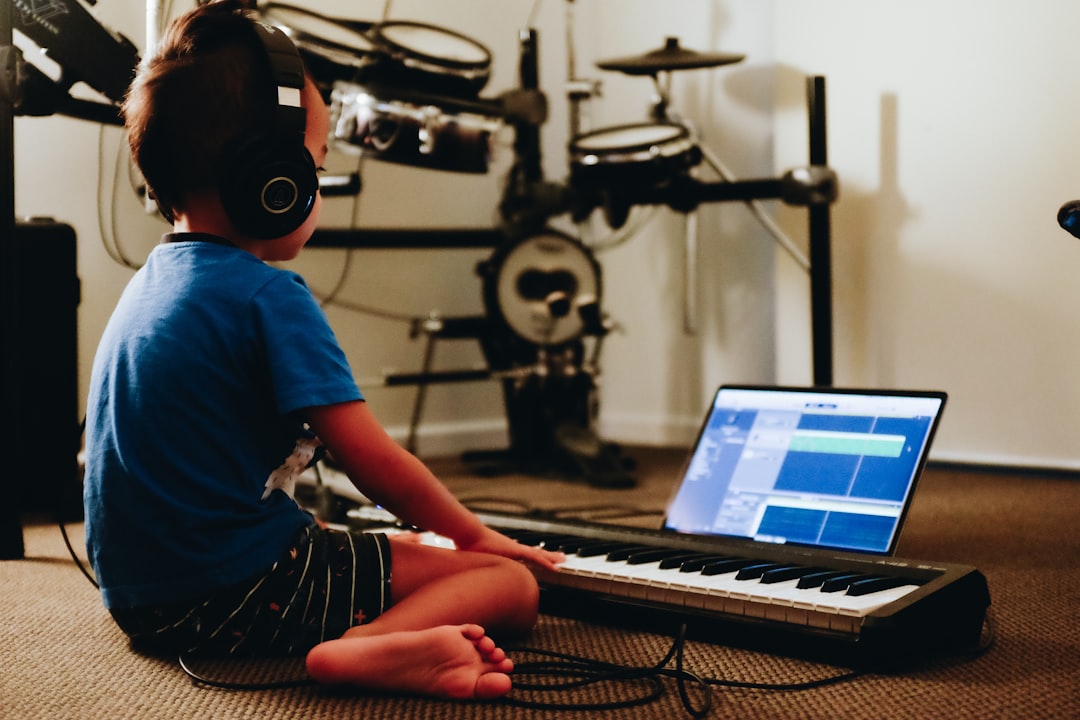
Choosing a music class for your child is not simply about filling an after-school hour. The right teacher, instrument, pace, and learning environment can influence how a child relates to music for years to come. In a city with many options, parents exploring music classes bangalore often discover that the best choice is not always the nearest or most advertised one, but the one that matches the child’s age, personality, attention span, and genuine interest.
Start with Your Child, Not the Instrument
Many parents begin by asking whether their child should learn piano, guitar, drums, keyboard, or vocals. That question matters, but it should come after a more important one: how does your child learn best? Some children are naturally expressive and enjoy singing in groups. Others prefer the structure of keys, the tactile feel of strings, or the physical energy of percussion. A younger child may respond well to playful musical exposure, while an older child may be ready for focused technique and regular practice.
It also helps to separate curiosity from commitment. A child who loves listening to songs may not immediately enjoy formal training, and that is perfectly normal. Look for early signs of readiness such as the ability to follow simple instructions, stay engaged for 20 to 30 minutes, and repeat basic patterns without frustration. If your child is still exploring, a school that offers a gentle introduction is often better than a rigid, performance-driven setup.
- For younger children: prioritize rhythm, listening, movement, and enjoyment.
- For school-age beginners: look for clear foundational teaching with patience and routine.
- For older children: ask whether the program supports skill-building, performance, exams, or creative expression, depending on their goals.
Evaluate the Teacher and the Learning Style
A child does not stay in a class because of the instrument alone; they stay because the teaching feels encouraging, engaging, and understandable. A good music teacher combines technical knowledge with emotional intelligence. They know when to correct, when to simplify, and when to keep the lesson enjoyable without losing structure.
When you speak to a school, ask practical questions about how children are taught rather than only asking about fees or certifications. You want to understand whether the teaching style supports long-term learning. A class that feels intimidating can quickly make a child withdraw, while one that is too casual may not lead to steady progress.
- Ask about lesson structure. Find out how a typical class is divided between warm-up, technique, repertoire, and revision.
- Check class size. Younger beginners often benefit from more individual attention, even in a group setting.
- Observe communication. Good teachers explain clearly to both child and parent without overcomplicating the process.
- Request a trial class if possible. A short trial can reveal whether your child feels comfortable in that environment.
- Discuss practice expectations. The school should recommend a realistic routine that fits family life.
Parents should also pay attention to how feedback is handled. Children improve best when correction is specific and calm. Encouragement should not mean the absence of standards, but standards should never come at the cost of confidence.
Compare Class Formats Before You Commit
Not every child thrives in the same format. Some learn faster in one-to-one sessions, while others stay motivated in a small group where music feels social and lively. The right format often depends on personality, age, and the level of focus your child can sustain.
| Class Format | Best For | What to Watch For |
|---|---|---|
| One-to-one lessons | Children who need focused attention, customized pacing, or exam preparation | Can feel intense for very young beginners if the teacher is too formal |
| Small group classes | Beginners who enjoy social learning and shared activities | Progress may vary if class levels are mixed too widely |
| Hybrid or flexible scheduling | Families managing busy calendars or travel across the city | Consistency matters; flexible timing should not lead to irregular practice |
Curriculum matters as much as format. Some schools focus heavily on classical technique and graded exams. Others blend fundamentals with popular songs, ear training, and stage confidence. Neither approach is automatically better. The right question is whether the curriculum suits your child’s temperament and keeps them steadily engaged.
Look Beyond Convenience to Environment and Consistency
Location matters, especially in a city where travel time can affect whether classes actually continue. Still, convenience alone should not decide the choice. When comparing music classes bangalore families often focus first on distance, but the stronger indicator of success is whether the child feels settled enough to return every week with interest.
Visit the school if you can. Notice whether the space feels welcoming, organized, and calm. Instruments should be maintained, schedules should be clear, and the atmosphere should feel respectful rather than chaotic. Small details matter: how students wait between sessions, how teachers interact with nervous beginners, and whether parents are given a sensible understanding of progress.
A school such as Hum & Strum Music School can appeal to parents when it combines structure with a child-friendly approach. That balance is often what keeps music education sustainable. Children need discipline, but they also need warmth, patient guidance, and a sense that learning music is something to look forward to rather than endure.
It is also wise to think ahead. A class that works for the first two months should still make sense a year later. Ask whether the school can support progression, recitals, graded pathways if desired, and a transition from beginner enthusiasm to meaningful skill.
A Practical Checklist Before You Enroll
Before making a final decision, step back and assess the full picture. A thoughtful choice at the start can prevent frustration later.
- Does my child seem comfortable with the teacher?
- Is the class format right for my child’s age and attention span?
- Are expectations around practice realistic for our family schedule?
- Does the school offer a clear learning path without making the experience joyless?
- Is the travel time manageable enough to support consistency?
- Will my child feel encouraged, not pressured, in this environment?
Parents sometimes feel they must choose the most serious or prestigious option immediately. In reality, the best first step is often the one that builds trust, rhythm, and enjoyment. A child who develops a positive relationship with music early is far more likely to stay with it, deepen their skills, and grow in confidence over time.
Choosing among music classes bangalore offers is ultimately about fit. When the teacher is right, the environment is supportive, and the expectations match the child, music becomes more than an activity. It becomes a lasting part of their education and identity. Choose with patience, observe closely, and let your child’s response guide the decision.